
Reading with criticism
We read each book with a sharp eye, bringing in every field it touches: history, literary criticism, cultural theory and beyond. Passage by passage, the text sits in the middle, with commentary on one side and, on the other, its lineage: the books it descends from and the ones it made possible.
The Moor's Account
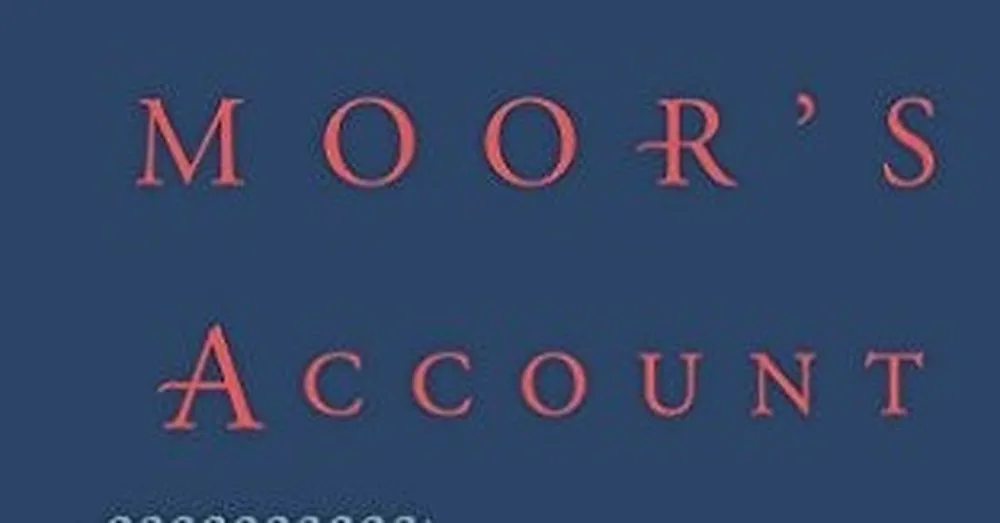 Laila Lalami, 2014. The imagined memoir of Estebanico, the Moroccan survivor the official chronicle gave a single line.
Minaret
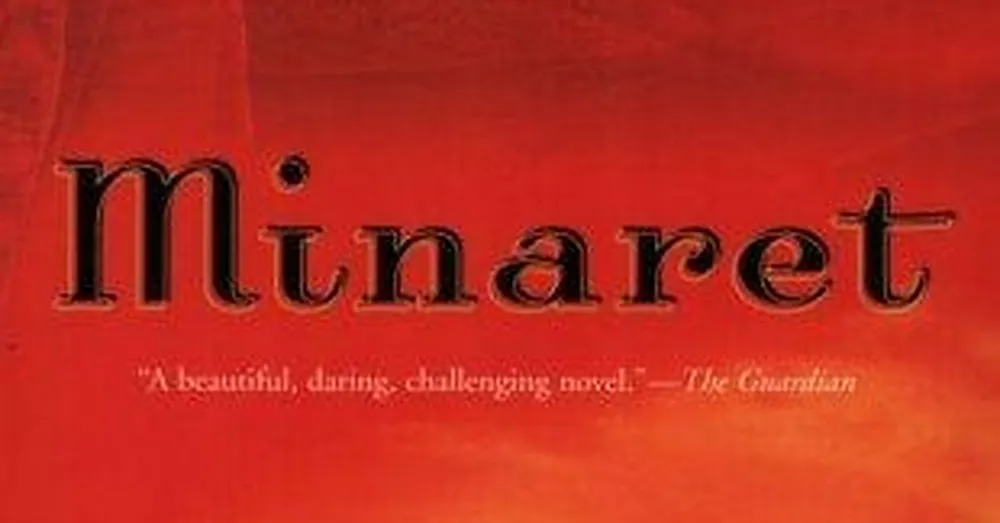 Leila Aboulela, 2005. A secular Sudanese woman, exiled to London, chooses faith and the hijab: the veil as agency, not oppression.
The Girl in the Tangerine Scarf
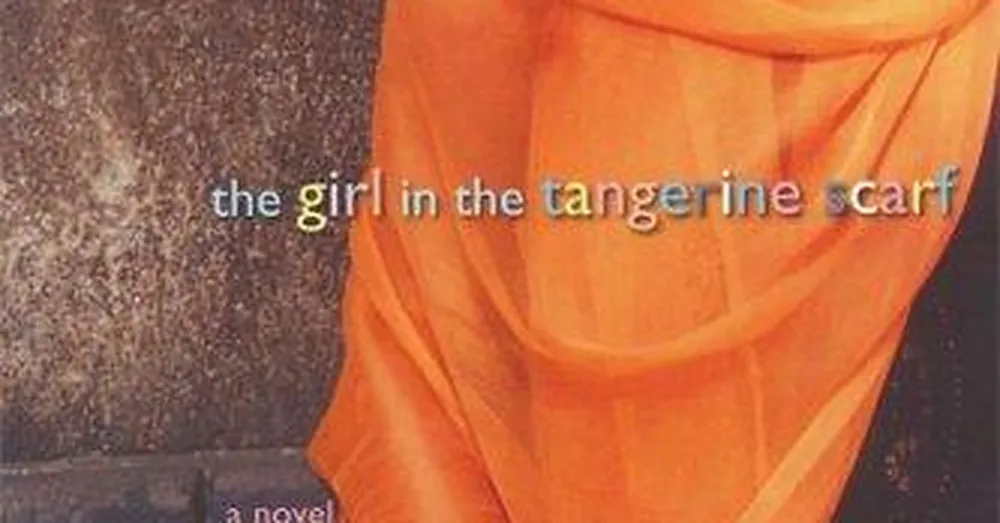 Mohja Kahf, 2006. Growing up in a devout 1970s Indianapolis Muslim community, from rigid certainty to a more capacious faith.
The Reluctant Fundamentalist
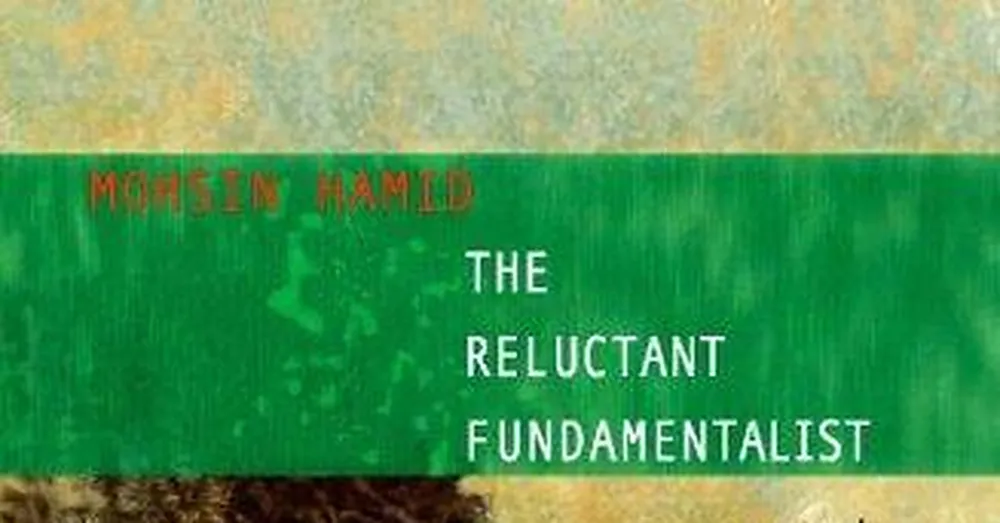 Mohsin Hamid, 2007. A Princeton-educated Pakistani tells a silent American in a Lahore café how the American Dream soured after 9/11.
Home Boy
 H. M. Naqvi, 2009. Three young Pakistani men in New York go overnight from boulevardiers to a suspected sleeper cell.
Once in a Promised Land
 Laila Halaby, 2007. A secular Jordanian couple in Tucson come apart as suspicion, paranoia and anti-Arab racism close in.
The Submission
 Amy Waldman, 2011. The anonymous winner of a 9/11 memorial competition turns out to be a Muslim American architect.
Maps for Lost Lovers
 Nadeem Aslam, 2004. A Pakistani immigrant enclave in an English town in the aftermath of an "honor killing."
A Place for Us
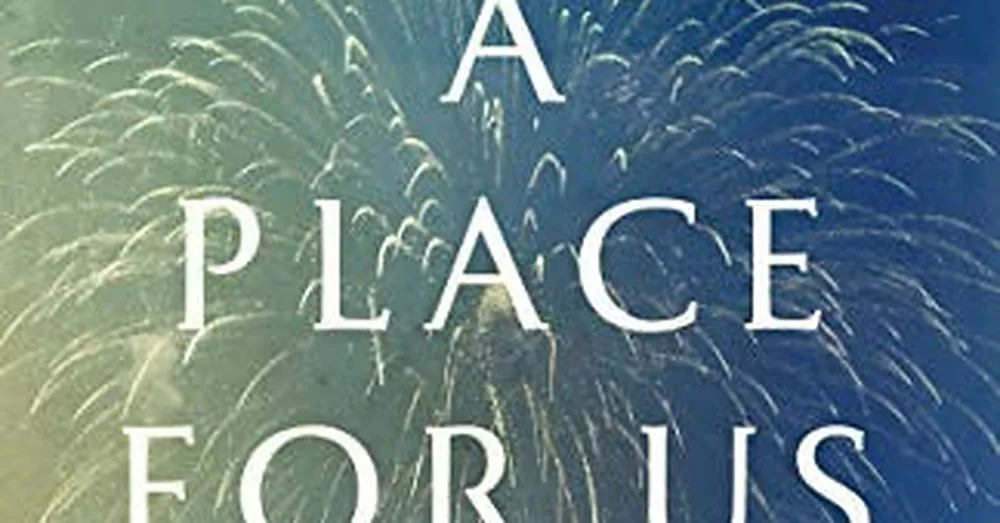 Fatima Farheen Mirza, 2018. An Indian-American Shia family in California across decades, and a father and son who keep missing each other.
Homeland Elegies
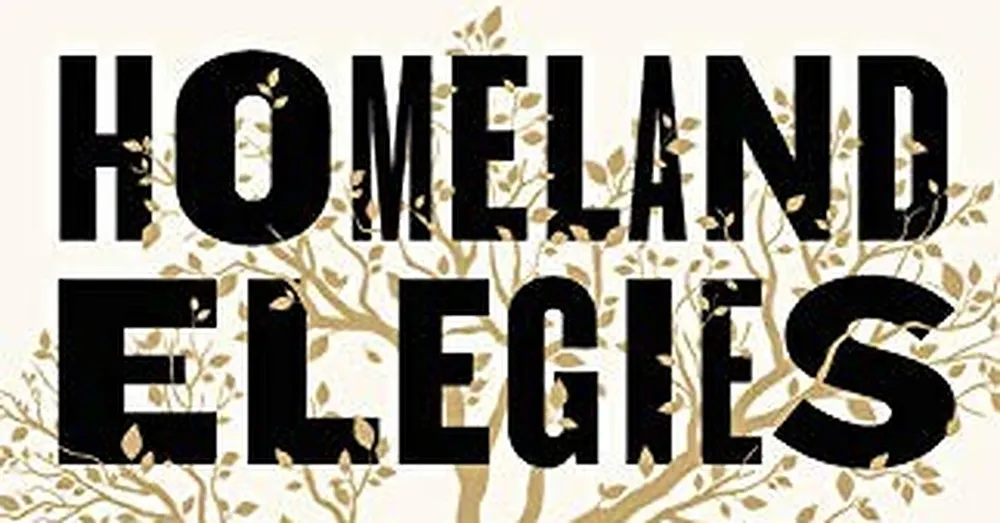 Ayad Akhtar, 2020. Autofiction about a playwright and his immigrant father in "the world that 9/11 made."
A Woman Is No Man
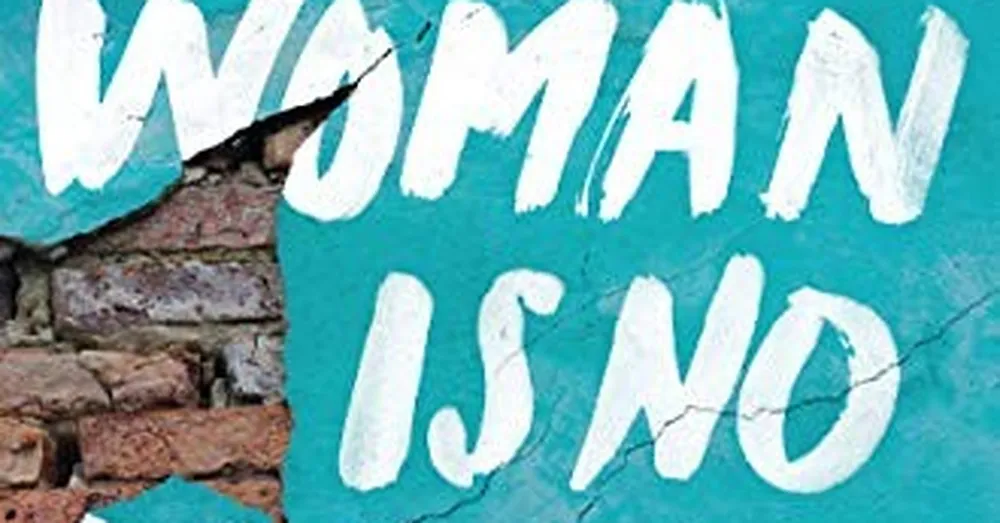 Etaf Rum, 2019. Three generations of Palestinian-American women in Brooklyn, between silence and voice.
Home Fire
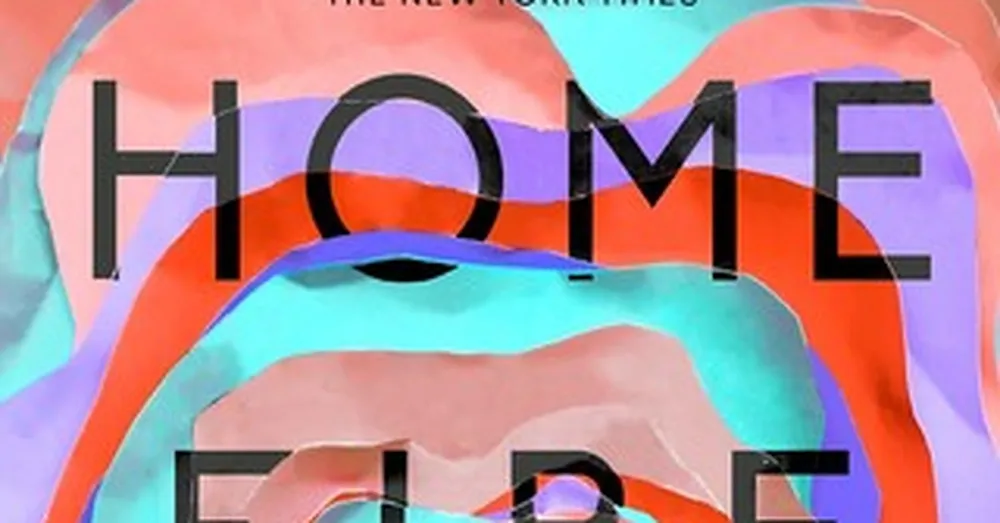 Kamila Shamsie, 2017. Antigone retold: a British Pakistani family, a son who joins ISIS, and a state that denies burial.
Mornings in Jenin
 Susan Abulhawa, 2010. Four generations of a Palestinian family, from the 1948 Nakba through the Jenin refugee camp.
Salt Houses
 Hala Alyan, 2017. A Palestinian family uprooted in 1967 and again in 1990, and the longing passed from mother to daughter.
Against the Loveless World
 Susan Abulhawa, 2020. Narrated from a solitary-confinement cell: statelessness, war, love and resistance.
Enter Ghost
 Isabella Hammad, 2023. A British-Palestinian actress joins an Arabic Hamlet staged in the West Bank under surveillance.
Sofia Khan Is Not Obliged
 Ayisha Malik, 2015. A hijab-wearing London publicist is asked to write a book on Muslim dating.
Ms. Marvel, Vol. 1: No Normal
 G. Willow Wilson, 2014. Kamala Khan, a Pakistani-American teenager from Jersey City, becomes a superhero.
A Map of Home
 Randa Jarrar, 2008. A raucous coming-of-age from Kuwait to Egypt to Texas, and the meaning of home.
The Beauty of Your Face
 Sahar Mustafah, 2020. The principal of a Muslim girls' school faces an alt-right shooter as her life story unspools.
Read every week of every book.
Every book's main page and its book-club guide are free. Paid members get the full weekly readings: every passage, with the commentary and lineage beside each highlight.
Become a member