
Week 9: The Conqueror's Table
Read this week: Chapters 19–22.
Step eight left us holding a record written by somebody else. This week the book sits us down at that somebody's table. A promise of freedom made by the man who owns you is still a promise; the power to withhold it has not moved. A town in Mexico gets the name of a town in Spain, and the naming habit travels on to the people it once defeated. A sermon turns eight years of one man's hunger into a public credential for the empire that renamed him, and praise of that kind is also a form of custody. Look closely at the guest. He is fed and questioned in the same mouthful and cannot separate the two. He sits with a man who has learned to listen without hurrying and without wanting anything but the story. He keeps silent where speech would cost him the only roof he has, and holds back the sentence he actually wants to say. And in one quiet exchange the book offers its hardest counsel: if you want something from a person who holds power over you, the asking may be part of the trap. Ask which of your own silences are chosen and which are payments.
Week 9 is for paid members
This week's 10 passages from Chapters 19–22, with the commentary, lineage and criticism on each, are for paid members. The introduction to every week is free on the book's main page.
Questions for the week
- Do Ramatullai and Oyomasot function as autonomous political actors or as instruments of Mustafa's moral education and survival? The analyses give both women tactical insight and survival knowledge, but they are also positioned as witnesses and helpers within the narrator's story. Criticism has not settled whether the novel grants them interiority and agency beyond their service to the male narrator.
- How does the novel adjudicate between oral memory and written record when its own form is a written narrative? The analyses repeatedly contrast official records that confiscate memory with oral stories that outlive tellers, while the novel itself is a written account. It remains unresolved whether the narrator's writing can escape the archival power it criticizes or only occupy it differently.
- Is Mustafa's eventual mobility enabled by the Spanish destruction of Indigenous worlds, and does the novel confront that complicity? The analyses show conquest converting labor and produce into hospitality, empire advancing by destroying means of return, and epidemic disease dissolving ranks. The novel's own narrator hopes for passage from Tenochtitlán, raising the unresolved question of whether his freedom is implicated in the very conquest he chronicles.
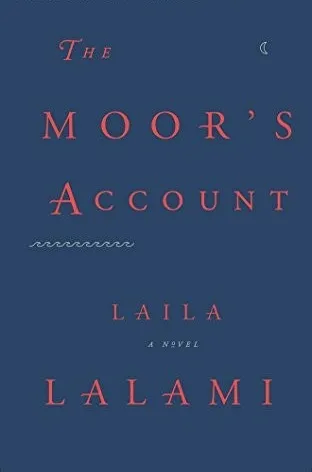
Passages quoted from Laila Lalami, The Moor's Account (Pantheon, 2014), for criticism and commentary.