
Week 10: Between Paradise and Hell
Read this week: Chapters 33–36.
We end where the novel leaves us: on a mountain. A sermon on the Heights describes people standing between Paradise and Hell, seeing both and assured of neither, and it is impossible not to hear the whole book in that picture — a life held in the middle while love and faith pull one body two ways. From there the plot settles into the least glamorous matters. A mother treats her grown son as an extension of herself, which makes his marriage impossible; a doctora arrives with money and is refused, because a bribe buys absence and not consent, and the woman refusing it insists that everyone pay something real; a debt is settled to the last pound by a stranger's cheque, and an unpaid loan is renamed a fee; a former maid reads another household's untidiness as proof of her own release. Notice the verdict the narrator keeps passing on herself, that she is too simple for her time and place, and how it agrees with every verdict the world has handed her. Then the last movement: a child's attention lifting her out of her own history, one small sentence about tomorrow carrying a whole life, and a woman who cannot manage the prayer alone returning to the same base. Nothing is resolved. A place is kept. Ask where your own base is, and whether you have been back.
Week 10 is for paid members
This week's 14 passages from Chapters 33–36, with the commentary, lineage and criticism on each, are for paid members. The introduction to every week is free on the book's main page.
Questions for the week
- What is the status of the mother's curse and blessing in the novel's moral universe—supernatural speech act, psychological inheritance, or narrative device? Criticism treats mothers' words as divine instruments, as a curse children cannot escape, and as a judgment that decides whether a life is permitted. It has not resolved whether these words have metaphysical force or only the force of kinship.
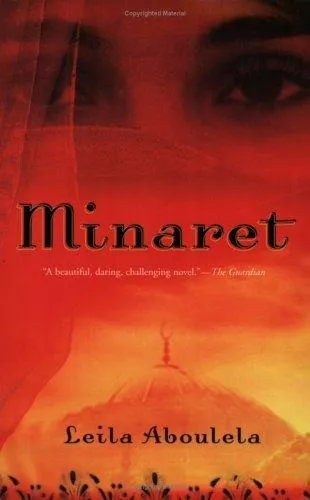
Passages quoted from Leila Aboulela, Minaret (Grove Press, 2005), for criticism and commentary.