
Week 6: Embraced as a Brother, Counted as Property
Read this week: Chapters 12–15.
The rumor of last week becomes this week's dinner table, and the question becomes the oldest one the book asks: who decides who counts as a person? Hunger goes first. Men eat what they swore they would not eat, and afterwards the confession costs them nothing. The community that refuses them is not simply punishing cruelty; it is drawing a line around itself, and drawing it fast. Watch how the rank-free world of the raft does not stay rank-free. Fill the belly, and hierarchy walks back in through the door as though it had never left. This is also the week a word like brother arrives and is compromised on the spot — a man is embraced and, in the same minute, left out of the count of survivors. Two quieter things to hold on to: an interpreter who speaks for both sides is still owned by one, and a woman who forecasts deaths is thrown off the dock while promises are made to everyone else aboard. Ask, at the end of the week, who you are counted with, and who is doing the counting.
Week 6 is for paid members
This week's 11 passages from Chapters 12–15, with the commentary, lineage and criticism on each, are for paid members. The introduction to every week is free on the book's main page.
Questions for the week
- Does the novel present Indigenous peoples as political agents with their own diplomacy, or mainly as hosts, healers, and foils for Castilian survival? The analyses emphasize Native care, healing, kinship, and moral judgment, yet the criticism itself calls Indigenous representation thin. The unresolved question is whether these roles amount to political agency or remain functions of the castaways' story.
- Is multilingualism in the novel a resource for solidarity among the enslaved or a hierarchy that empire exploits? The analyses show interpreters remaining enslaved, strangers learning from the powerless, and recognition preceding translation. It is still unclear whether the novel imagines multilingualism as a common ground or as another instrument of colonial rule.
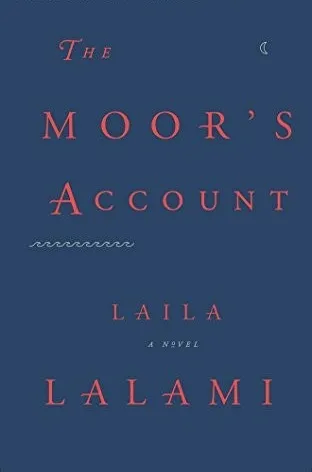
Passages quoted from Laila Lalami, The Moor's Account (Pantheon, 2014), for criticism and commentary.