
Week 4: The Mark Moves Off the Iron
Read this week: Chapters 8–9.
From rooms where things are handed down, we step into the square where people are handed over. This is the week the book stops asking what a family keeps and starts asking what is written on a body. In Seville the branding iron stops doing all the work, because dark skin begins to carry the mark by itself; ownership no longer needs to be burned in. At the auction a woman is sold while the men beside her take quiet comfort in having been born men — a relief easy to feel and hard to admit. Set against that, a man says his own name aloud in a language that is not his mother's. It is a small act and an enormous one, and it is the one possession the market has not inventoried. Then fever arrives and flattens the ranks the market just built; illness does not check papers. The week ends on a hard practical question: what is freedom worth to a person with nothing to eat and no road to walk? Watch how easily a voice can be demanded as property, and how a story survives only because strangers agree to carry it. Ask which marks on you were chosen and which were put there before you could object.
Week 4 is for paid members
This week's 11 passages from Chapters 8–9, with the commentary, lineage and criticism on each, are for paid members. The introduction to every week is free on the book's main page.
Questions for the week
- Is the ending's freedom a utopian alternative to empire or a romance of statelessness? Analyses read the ending as escape through a false death, as freedom without provisions, as exile in which the freed person belongs nowhere, and as acceptance of the present. The criticism has not settled whether the novel imagines a genuine outside to empire or merely a survivable distance from it.
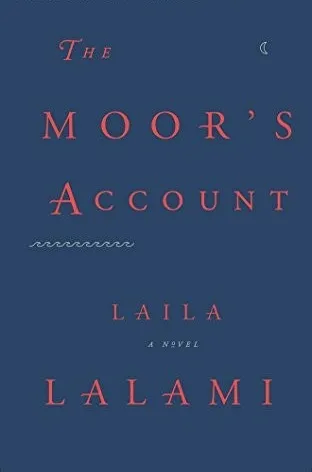
Passages quoted from Laila Lalami, The Moor's Account (Pantheon, 2014), for criticism and commentary.